

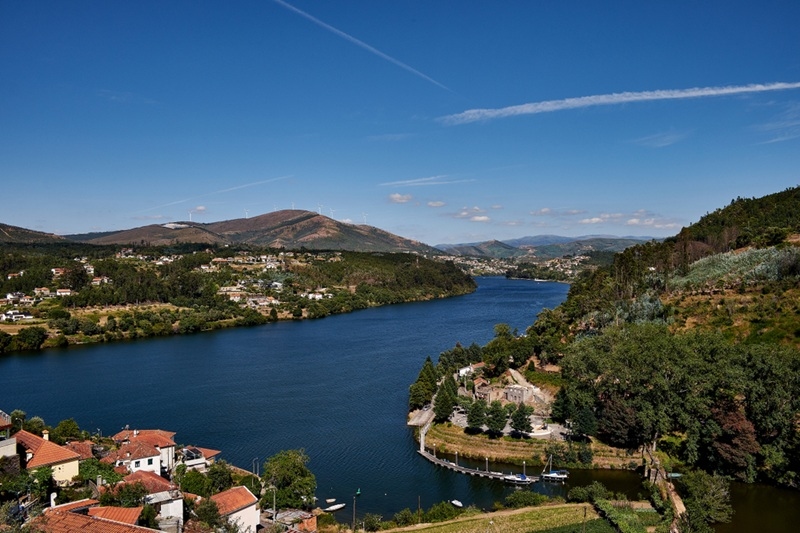
Portugal usually gets talked about for beaches, wine towns, tiled streets, and surf. Yet inland water changes the mood completely. Quiet lakes hidden between forests, crater lakes in volcanic islands, giant reservoirs that almost look unreal in summer heat. Some places feel untouched. Others are packed with hikers, kayaks, picnic tables, and fishermen sitting for hours saying almost nothing.
The country is not huge, but the variety still surprises people. Mountain lakes in the north feel cold and wild. Down south, the water turns slower, warmer, wider, and dustier around the edges. Some are natural. Some were built decades ago, but now look like they belonged there forever. In this blog, you’ll read about the most scenic Lakes in Portugal, peaceful spots for relaxation, hiking, swimming, short breaks plus quiet nature escapes.
Portugal has dozens of scenic lakes, though many travelers barely move beyond Lisbon or the Algarve coast. That’s a mistake. Inland water landscapes often feel calmer, less crowded, more personal somehow.
Located on São Miguel Island in the Azores, this twin lake is probably the most famous lake landscape in the country. One side appears blue, the other green — locals tie legends to the colors, though science explains it differently. Doesn’t matter much when standing there. It looks strange in the best way.
The crater walls wrap around the water completely. Fog drifts in fast. Sometimes visibility disappears within minutes. Then sunlight cuts through again. Very unpredictable weather. That’s part of why it sticks in memory.
A giant artificial reservoir, created by the Alqueva Dam in the Alentejo region. Still, calling it artificial feels wrong after seeing its scale.
The water stretches endlessly across dry golden landscapes. Villages sit quietly around it. Nights are incredibly dark here because the area is known for stargazing. No city glow nearby. Just silence plus water.
Things people usually do around Alqueva:
Also in the Azores, Lagoa do Fogo feels less developed than Sete Cidades. Harder to reach, too. That helps. Fewer crowds linger there.
The lake sits inside a protected volcanic crater surrounded by steep green slopes. No loud cafés. No major tourist strips. Just wind, birds, rough vegetation. Swimming is allowed at certain times, though the water remains cold most of the year.
And honestly, that coldness adds character.
Also Read: Portugal Boat Tours for Scenic Coastal Adventures & Cruises
Many of the Best Lakes to visit in Portugal are connected to walking routes. Some are easy family paths. Others turn steeply fast, especially in mountain regions.
This place became famous online because of its strange funnel-shaped spillway that looks like a portal into the earth. Located inside Serra da Estrela Natural Park, the lake itself is peaceful, though the hike takes effort.
The walking trail cuts across rocky terrain and open landscapes with almost no shade. Bring water. In summer, it gets rough by midday.
Yet the reward is unusual enough that people keep going there anyway.
Not every trail is dramatic. Some of the best Lake trails in Portugal are simple dirt paths through pine forests or volcanic slopes where barely anyone talks.
Near Gerês National Park, several smaller lakes and reservoirs connect with hiking circuits. The area around Peneda-Gerês National Park mixes waterfalls, wooded trails, old stone villages plus clear water swimming spots.
A few good things about these lake trails:
High in Serra da Estrela, Lagoa Comprida feels colder and rougher than southern lakes. Large rocks surround the reservoir. Wind moves hard across the open space. Not exactly cozy, but memorable.
People often stop here while driving through mountain roads, though longer hikes begin nearby, too. In winter, occasional snow changes the whole landscape. Portugal surprises people there. They expect beaches, not icy mountain air.
Suggested Reading: Portugal Caves Beach Guide to Hidden Coastal Wonders
The famous lakes get attention online. But several smaller Bodies of Water in Portugal offer a quieter experience with fewer tourists carrying drones everywhere.
This reservoir in central Portugal sits between hills and forested roads. It doesn’t have the fame of the Azores lakes, yet that works in its favor.
The atmosphere feels local. Fishermen, cyclists, and a few campers. Sometimes, nobody at all. Water reflections become especially beautiful near sunset when the hills turn orange-brown.
Close to Sintra, Lagoa Azul gives travelers an easy nature break without needing remote travel plans. The lake is surrounded by trees and picnic areas, making it popular for slower afternoons.
Families come here. Cyclists too. Not every lake trip has to be dramatic or isolated.
Sometimes sitting near still water for two hours is enough.
Don't Miss: Surfing In Portugal: Top 10 Spots Worth Chasing Waves
Portugal’s lakes don’t compete loudly with the country’s beaches. They sit further inland, quieter, often missed. But for travelers wanting nature, slower movement, and fresh air, these places leave a stronger impression sometimes. Especially the volcanic lakes of the Azores and the huge open calmness around Alqueva. Different landscapes, same stillness.
Late spring and early autumn usually work best. The weather stays comfortable, trails are easier to manage, plus tourist crowds are smaller. Summer is beautiful too, but some inland lake regions become extremely hot during midday.
Yes, many lakes are family-friendly, especially reservoirs with picnic spaces and calm walking paths. Areas around Alqueva and Lagoa Azul are easier for children compared to steeper volcanic hiking regions in the Azores.
Camping is possible near several lakes, though rules vary by region. Some places have official campsites, while protected natural areas restrict overnight stays. Wild camping is often controlled, especially inside national parks.
Most lakes do not freeze completely because Portugal has a mild climate overall. However, mountain lakes in Serra da Estrela can experience icy conditions, cold winds, and sometimes even snowfall during the winter months.
This content was created by AI