

Portugal has a knack for catching people off guard. Sure, the coastal cliffs and pastel facades catch your eye first—but there’s more. The history here lingers everywhere, from castles perched on hills to old tiled churches that almost don’t feel real.
Maybe you’ve wondered why people can’t seem to stay away. Well, Portugal’s got a one-of-a-kind mix of Roman bones, medieval muscle, and stories from its seafaring golden age. And the best part? You don’t just hear about it—you walk right through it. These landmarks aren’t just for photos; they let you step straight into their stories. Let’s dig into some of Portugal’s most beloved historical sites, plus a few tips to help you really feel them.
Portugal’s soul is tangled up in its history. Every corner of the country carries a piece, and a lot of the old landmarks are shockingly well preserved.
Why does that matter? Well, these aren’t just lonely monuments—they’re milestones that show how Portugal grew from humble beginnings into a powerhouse at sea.
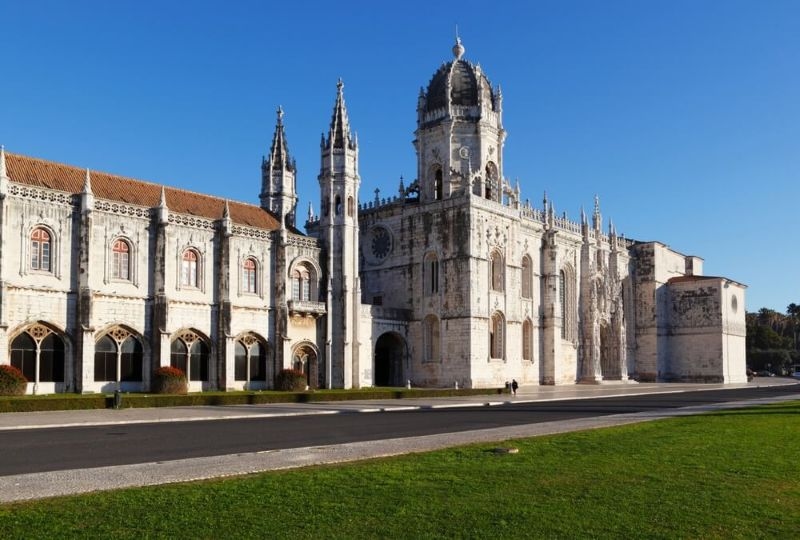
Right in Lisbon’s heart, you’ll find the Jeronimos Monastery. It’s one of those landmarks everyone talks about, and for good reason. This 16th-century monastery marks the Age of Discovery—Vasco da Gama himself prayed here before heading off to India.
So what makes it special?
It’s a UNESCO World Heritage site, too, so you know it means something.
Just down the road, close by the river, stands Belem Tower. At first glance, it looks almost like a fairytale Portugal castle. But here’s the catch—it used to defend Lisbon’s harbor.
Now, it’s a symbol of Portugal’s fearless, adventurous side. Stand by the water and squint a little, and you can almost see ancient ships heading for horizons unknown.
Some places simply draw people back. Maybe it’s the design. Maybe it’s the vibe. Usually, it’s both.
Pena Palace feels ripped from a fantasy. Bright colors, wild towers, sweeping views—it’s no wonder people keep snapping photos here. Once a monastery, it became a royal escape in the 1800s.
Why do people love it?
It’s no surprise that Sintra sits proudly on the UNESCO list, too.
High above Lisbon, the Castle of São Jorge has watched over the city since Moorish times—long before Portugal was even a country.
Walk those ancient walls, and the city opens up beneath you. The river sparkles, rooftops stretch, and suddenly, history stops feeling distant. That’s the secret—these places make the past feel close, even alive.
Lisbon has a deep past, but it’s oddly approachable. The sites are dotted around town so you can stroll between them, grab a coffee, and take it all in.
Lisbon Cathedral is the city’s survivor—a patchwork of Romanesque and Gothic styles that’s managed to stand through earthquakes and wars. Inside, things get quieter. The past settles in, heavy but peaceful.
This striking monument looks like a giant ship, with Portugal’s legendary explorers gazing out to sea. Why does it matter? Because Portugal wasn’t just another kingdom. Its sailors rewrote global trade, forever changing who met whom. This monument doesn’t just celebrate ambition—it makes it bold and clear.
Don't Miss: Portugal Lighthouses Travel Guide to Coastal Landmarks
Lisbon might get the headlines, but Porto is just as rich—just less hurried, a little more grounded, maybe more traditional. And it shows in its landmarks.
Ribeira isn’t just one site—it’s a maze of streets that feel like stepping back in time. You lose yourself among old houses and riverfront views. You don’t “visit” Ribeira; you wander and let it reveal itself.
Climb the Clerigos Tower, and you earn the reward—a sweeping city panorama, river and all. It’s a sharp reminder that history isn’t just about stone; it’s about the way cities shift and grow.
Portugal has a handful of UNESCO sites, each with its own flavor. They’re not on the list by accident—these spots matter to the world.
Evora doesn’t feel like Lisbon or Porto. It’s slow, old, thoughtful. Roman ruins, stone walls, and sun-bright houses set the tone. The Roman Temple stands tall after all these centuries. Walking through Evora is like paging through a living history book.
The Monastery of Batalha is a stunner—built to honor victory in battle, but more than a trophy. The Gothic lines are dramatic but balanced, and the unfinished chapels? Those linger with you, like a story that never really ends.
Some places everyone talks about. Others, not so much—but the quiet ones often leave the deepest mark. If you can, try to see more than just the big hits.
Near Coimbra, these ruins let you trace Roman footsteps across Portugal. Mosaic floors, collapsed columns, and old baths paint a picture of everyday life centuries ago.
Tiny Obidos hides behind its old walls and surprises you. Stone lanes, whitewashed houses, and little shops crowd together inside its defenses. It’s simple, but that’s the charm—it really feels like time paused here for a while.
Also Read: Unwrapping Portugal Hidden Beaches and Coastal Escapes
Portugal’s landmarks aren’t just backdrops for photos. They’re alive, still shaping the country’s story. From Lisbon’s grand monasteries to Evora’s quiet lanes, every spot leaves a different impression. Some bowl you over. Others just make you want to linger. But all of them have stories worth hearing.
If you’re planning a trip, don’t rush. Slow down. Take a closer look. The real magic comes when you understand not just what these places are—but why they’ve lasted, and what they mean to the people who live here.
Spring and early fall are ideal because the weather is pleasant and crowds are manageable. Summer is popular but can feel busy, especially in Lisbon and Sintra.
Yes, many sites are family-friendly with open spaces and guided tours. However, some locations involve walking or climbing, so comfortable footwear helps a lot.
Guided tours can add context and historical depth, especially at major sites. That said, many landmarks also provide clear signage for self-guided visits.
A week allows you to see Lisbon and Porto comfortably. If you want to include smaller towns and UNESCO sites Portugal, consider extending your trip to 10 days or more.
This content was created by AI